From Field to Fire
Converting a horsebox into a sauna wasn’t a quick decision or a polished plan from day one. It was a slow build rooted in curiosity, trial and error, and a lot of time spent working things out on site. This is the story of how Sauna Hus began starting with the search for the right horsebox and the early stages of restoration.
Why a Horsebox Sauna?
A horsebox offered the right balance of size, structure, and mobility. Unlike trailers built for catering or events, older horseboxes have strong steel frames and simple shapes that lend themselves well to sauna conversions. The goal was to create a mobile wood-fired sauna that felt solid, practical, and permanent rather than temporary or gimmicky.
Searching for a Suitable Horsebox
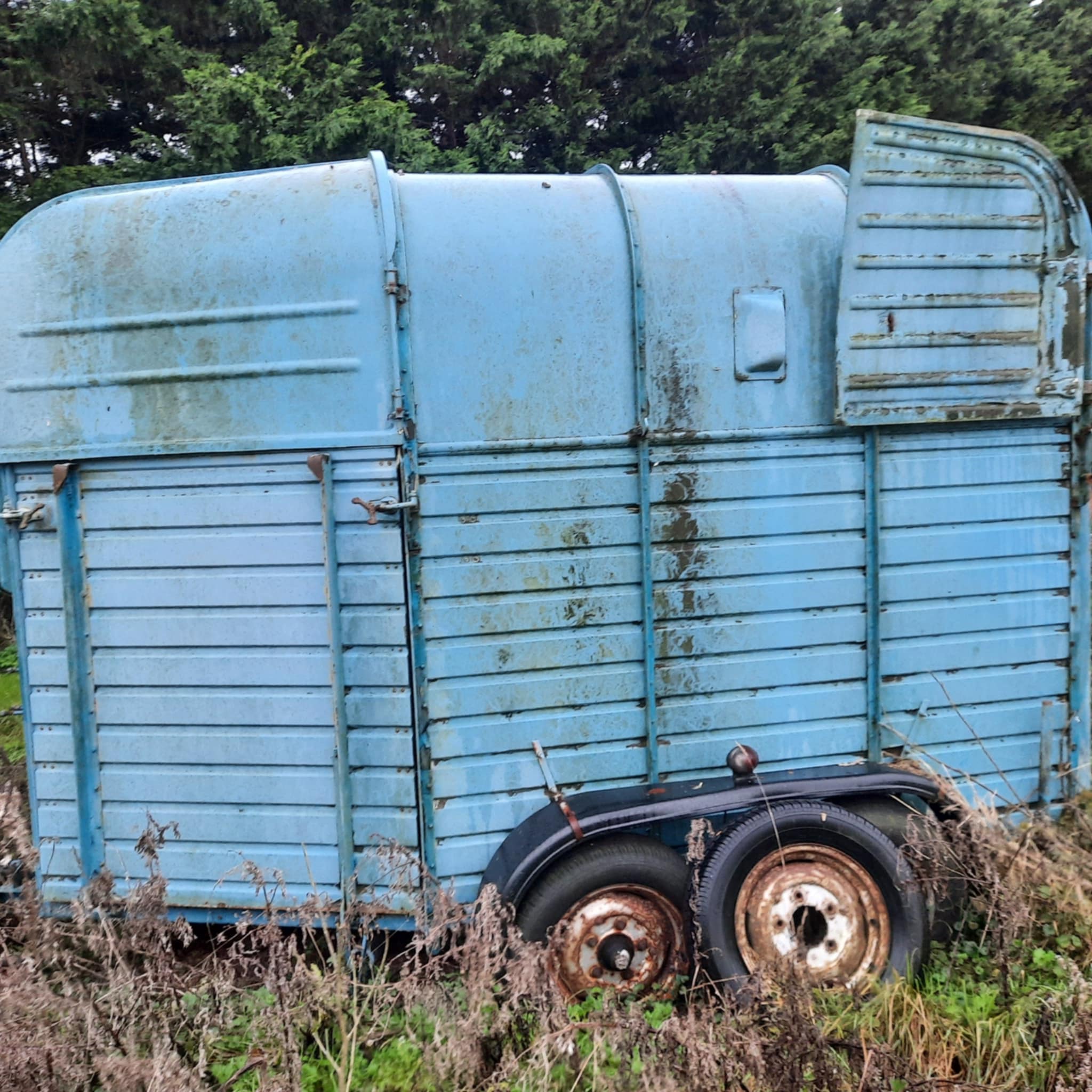
Finding the right horsebox took time. Many available boxes were either structurally unsound or already converted into bars and coffee trailers. We were looking for an original box with a sound chassis and usable internal space.
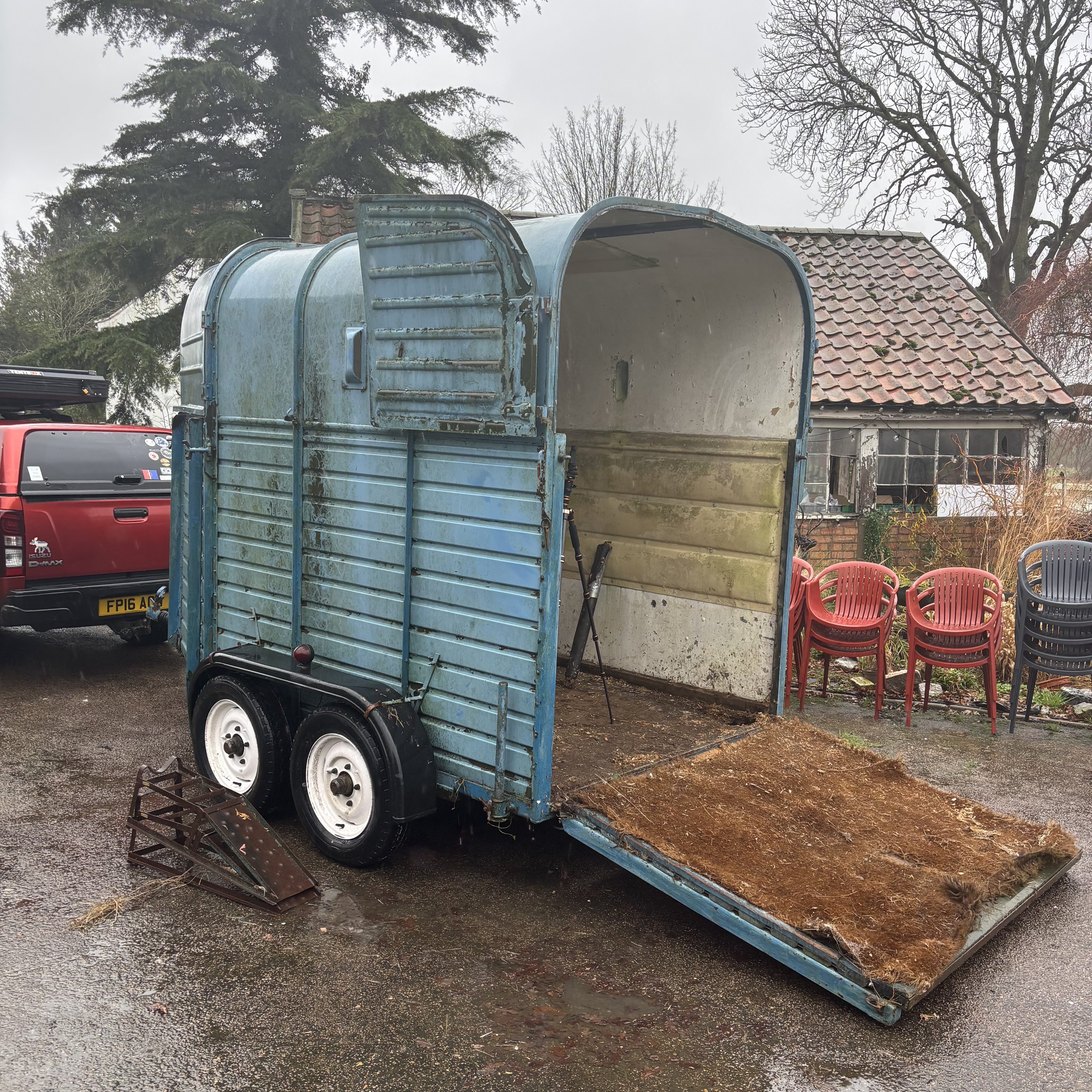
Eventually, we found one for £300. It wasn’t pretty. The tyres were completely worn out, the floor was rotten, and the exterior paint had seen decades of weather. But the steel frame was solid, and that mattered more than appearance.
Early Costs and Reality Checks of converting a horsebox sauna
Before any conversion work began, the basics had to be addressed. All five tyres were replaced, and the wheels were shot blasted and powder coated. By this point, £800 had already been spent, before insulation, timber, or sauna equipment entered the picture.
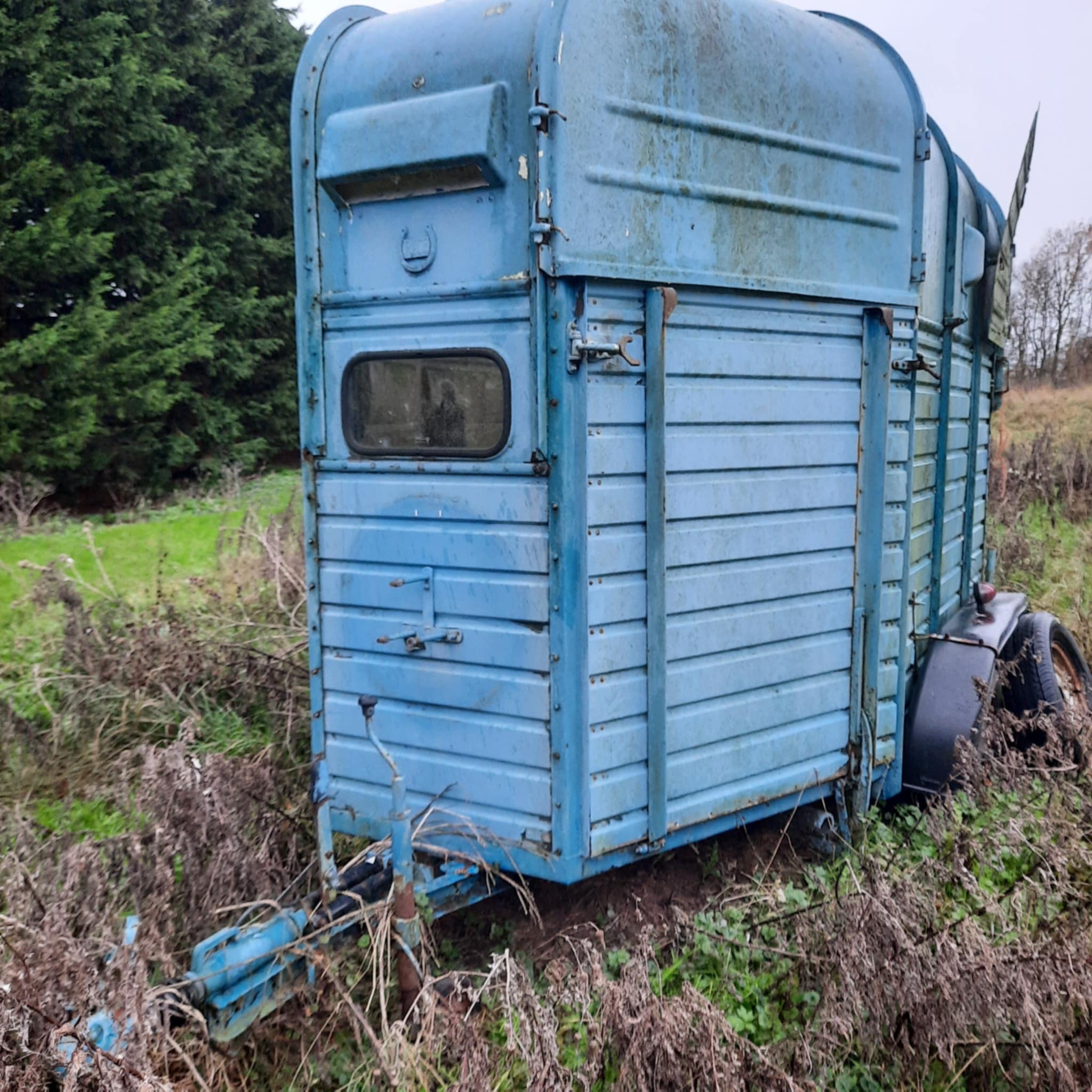
This early stage set the tone for the project. Restoring a horsebox properly means dealing with the unglamorous jobs first.
Converting the horsebox sauna at Cyder Farm
Most of the early restoration work took place at Cyder Farm, where having space to work and time to rethink ideas made a huge difference.
Progress wasn’t fast, but it was consistent. The freedom to pause, adjust plans, and get things right mattered more than speed.
Removing the Old Floor and Treating the Frame
The first major task was removing the original floor. It was completely rotten and beyond saving. With the floor out, the steel frame underneath could be properly inspected.
Any rust was ground back, treated with rust cure, and the entire frame was undersealed. Protecting the structure at this stage was essential to ensure the sauna could be used safely by the public.
Stripping the Interior
The internal tin lining was removed next, followed by stripping the paint from the inside of the box. This revealed another challenge. While the interior paint could be removed, it became clear that the exterior paint was not going to come off easily. It had bonded extremely well and would need professional treatment later.
Converting a horsebox sauna: Rebuilding the Floor with Insulation
A new trailer board floor was fitted, followed by insulation and a top ply floor. This created a solid, warm base for the sauna interior. Getting the floor right was a priority, as it affects heat retention, comfort, and long-term durability.


Insulating the Walls and Debating the Layout
Wall insulation came next. This stage brought a lot of discussion around internal layout. Bench heights, stove position, airflow, and door placement were all reconsidered multiple times. The layout changed almost daily as the space began to take shape.
This back-and-forth was deliberate. A sauna needs to feel right when people move inside it. Small layout decisions have a big impact on comfort and heat flow.
Designing a Stove with External Loading
The sauna stove was designed specifically for this build. One key requirement was that the firebox could be loaded from the outside. This allows the fire to be managed without interrupting the sauna experience or letting heat escape when wood is added.
The stove design influenced the internal layout and was ordered early to ensure everything else worked around it.
Shot Blasting and Exterior Paint
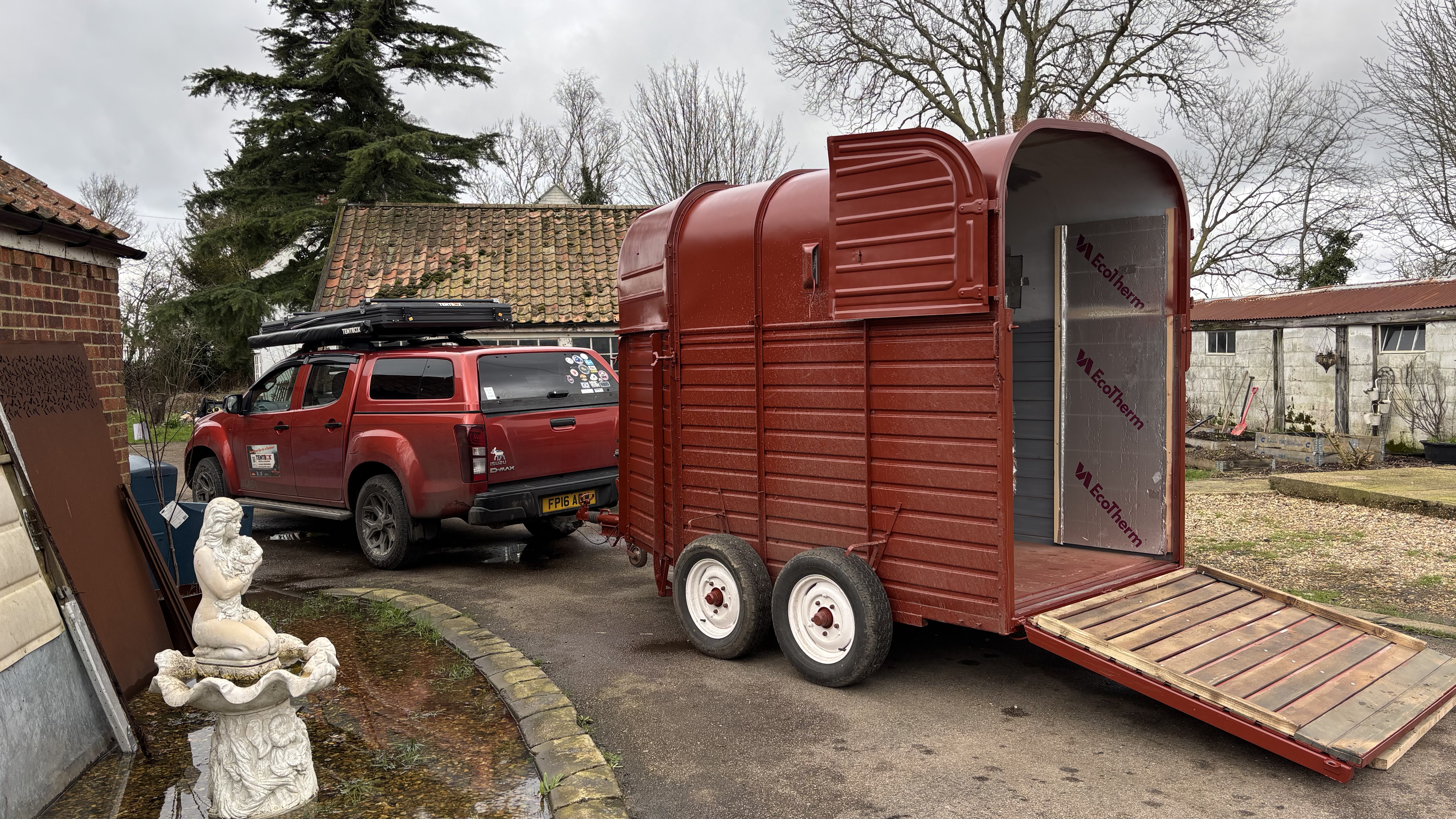
Once the internal structure was in place, the horsebox was sent away for full shot blasting and repainting of the exterior. This marked a turning point in the build.
It was around this time the sauna was named Betty. Or, more precisely, Betty Swallocks.
With fresh paint and a protected structure, the old £300 horsebox began to look like a purpose-built sauna rather than a restoration project.
From Restoration to Sauna Sessions
Today, Betty forms the heart of Sauna Hus. What started as a tired old horsebox is now a working, wood-fired sauna built with care, patience in the beautiful Suffolk countryside
If you’d like to experience the sauna for yourself, you can BOOK NOW